Cusco, Peru: the Promise Land for hippie solo travelers. First, the actual city. A quick Google search on the city told me that it is considered the capital of the Inca Empire and receives roughly 2 million tourist a year. Situated 3,400m above sea level near the Urubamba Valley of the Andes, the views are just about as crazy as the weather. It seemed like everything I packed, which was for extremely wet weather, was absolutely pointless because it would cycle between heavy downpour and blinding sunshine about 20x in an hour. But, refuge from the sporadic thunderstorms was easy to find as there were many small shops and cafes located throughout the center of the town. In fact, it seems like that was all there was. One big town center filled with markets trying to sell me a llama keychain for 3PEN (~$1 USD). [Advice] You can get 6 llama keychains for 5 PEN. Always haggle. And everything was absolutely beautiful. This city is only allowed to thrive as long as it has an almost- constant supply of tourist, so you can imagine just how amazing they’re going to try to make the experience. However, like all other tourist traps, pockets of poverty are strewn about even within the downtown area. A quick bus ride to the outskirts of the city is enough to see how only within a couple of blocks, the city changes from a wonderful picture out of a history book and into the average modern day underdeveloped city. But, seeing this was a crucial part of the whole learning experience I received when I traveled to Peru. [Cue cliche metaphor for traveling] As a canvas to be painted on by each location I visit, I have to allow both the bright and the dark colors to create a picture. This became the first of many experiences I had in Peru that highlights the need for responsible travel. But, second we must, at the very least, briefly discuss the substance that makes a city more than just a geographical location: its people.
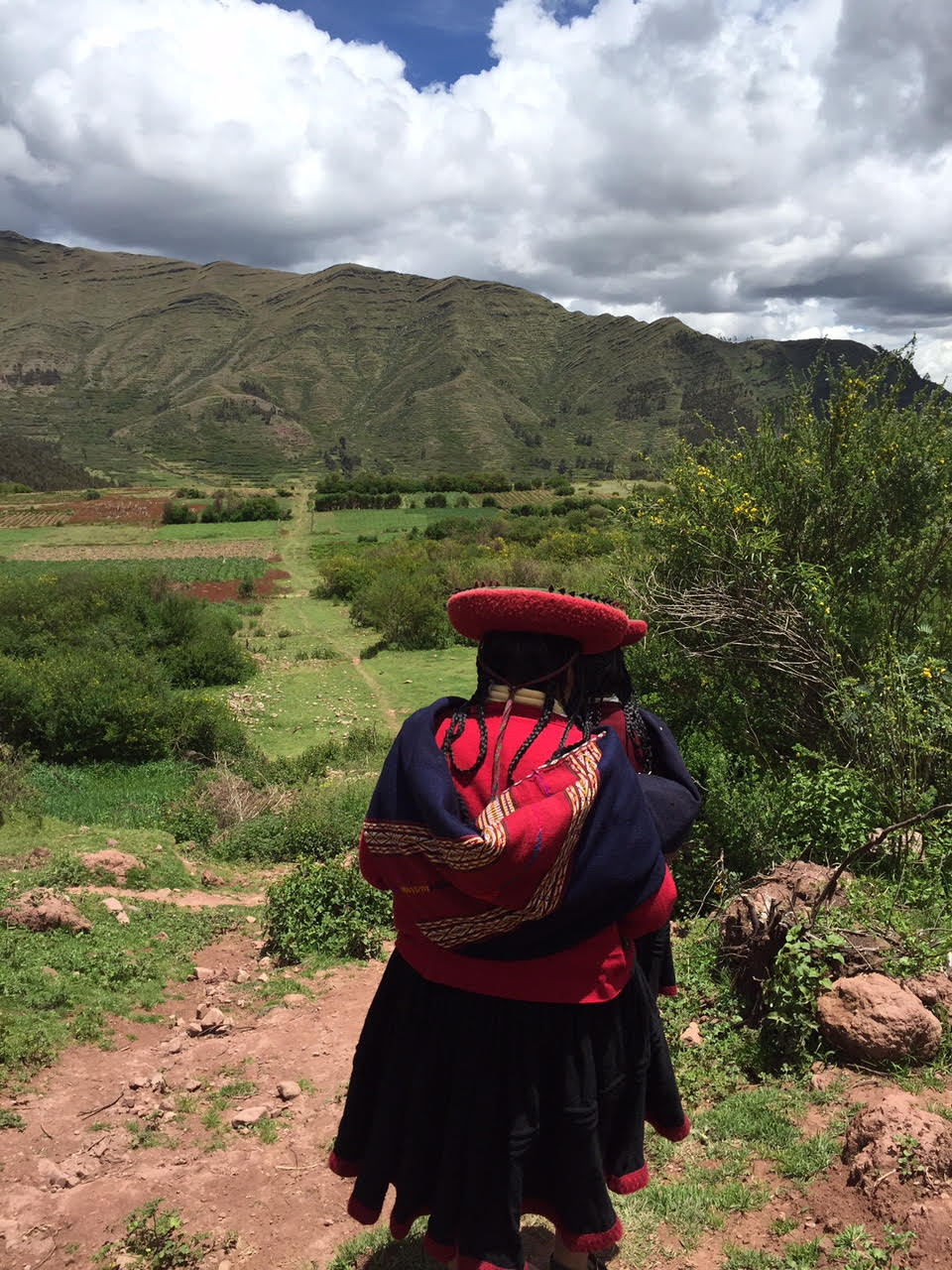
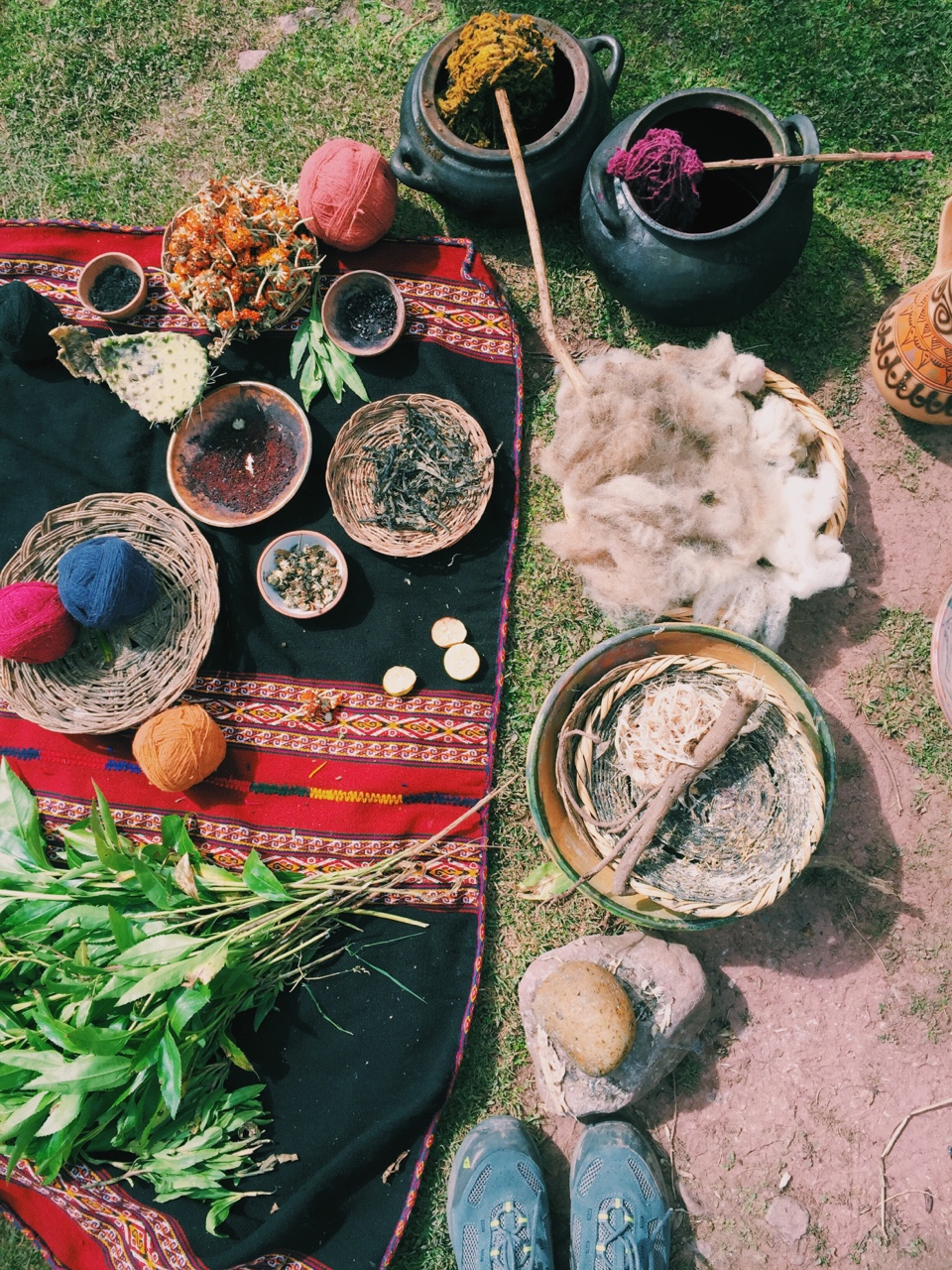
Unlike the people inhabiting much larger cities, you’ll find that the people of Cusco are relatively humble and friendly. Since tourism is such an important aspect of Cusco, you can imagine just how hospitable and foreigner-friendly everything is. With that said, it is important that you see past the facade of women walking around with smiles on their faces carrying baby goats. This is a job (see: ruse) and they will charge for pictures. [Advice] I was advised against giving any children money, since it just encourages begging, but after visiting the Philippines many times I’m well aware of this fact. As a small, young, female I never really felt unsafe walking around at night. Obviously, just as anyone should in any location, one must be constantly diligent in the case a compromising situation does arise, but I definitely did not feel as unsafe as I’ve felt in a place like Detroit, MI. The locals are incredibly proud of their city, and rightly so. They are the descendants of a royal lineage tracing back to the Incas. Their magical city is located at the base of a great mountain range and every morning (weather permitted) they can soak of the glory of the Andes. They are the outcome of years of cultural mixing: pre-Incas, Incas, and Spanish rule, yet they hold on dearly to the original roots and customs passed down for generations. I have honestly never felt more comfortable with a group of people than I did when I was in Peru, whether it be on the Inca Trail or wandering the city of Cusco. Which then allows me to transition into how centuries of cultural diversity reveals itself in modern day Peru.
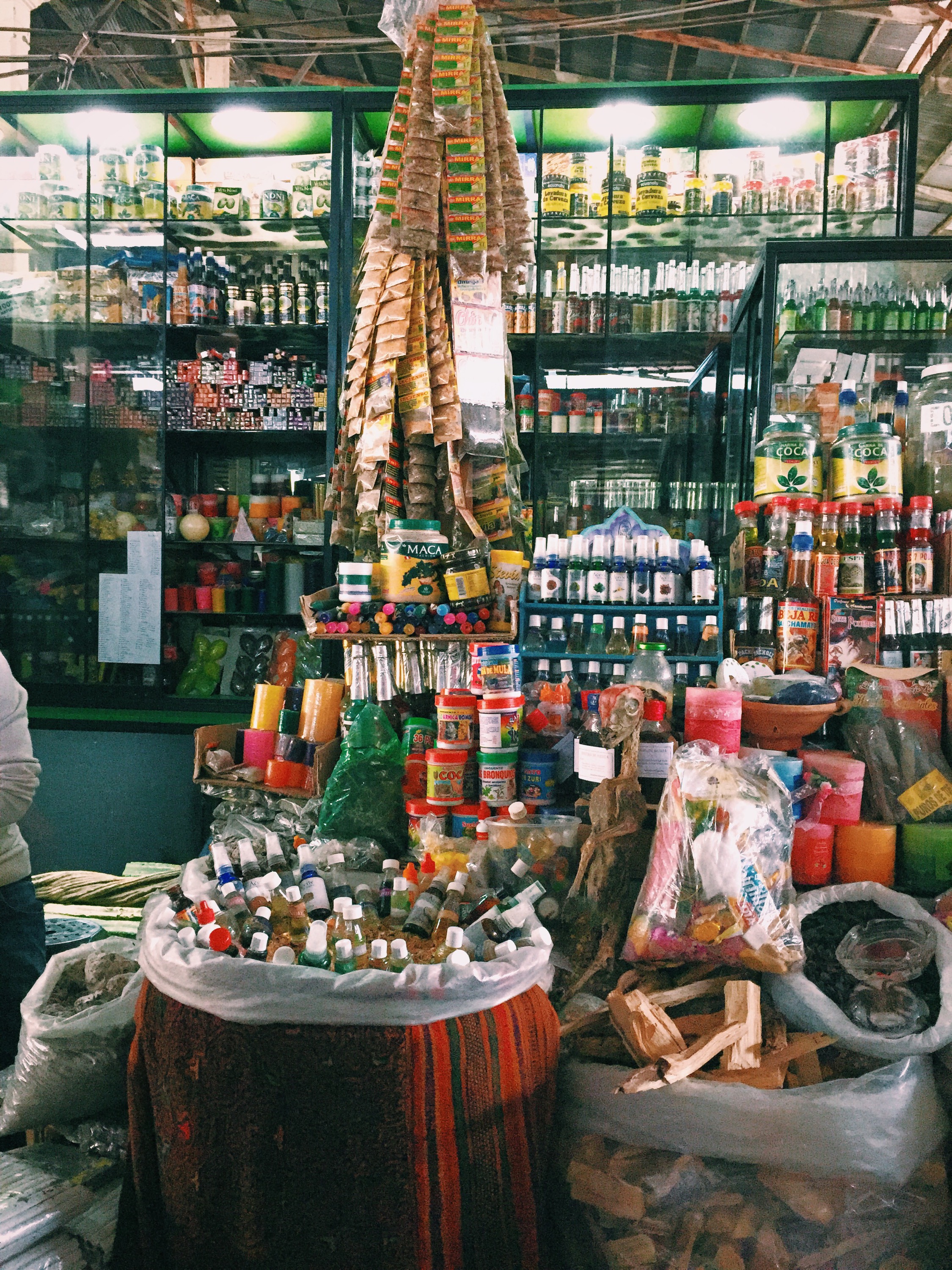
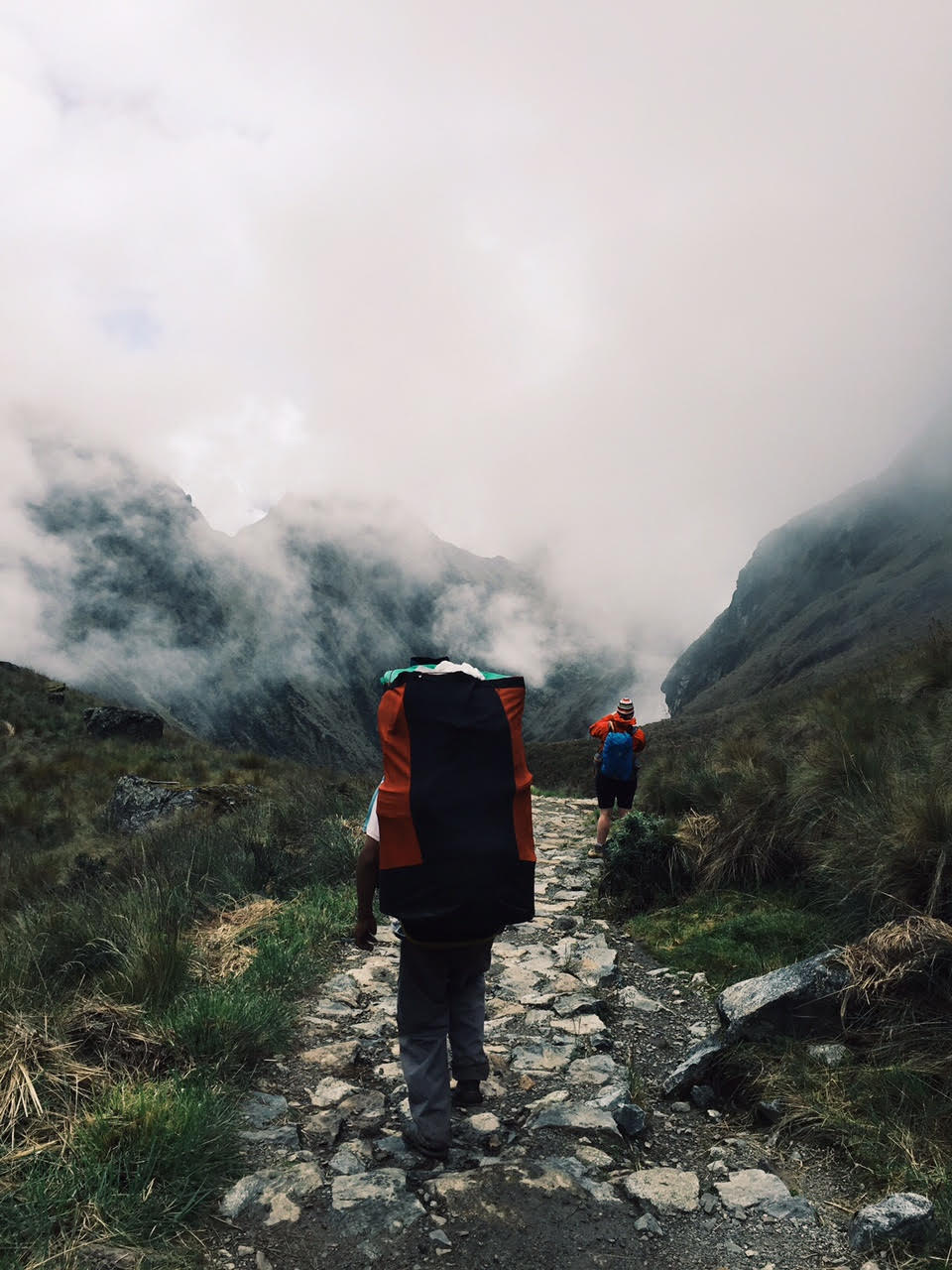
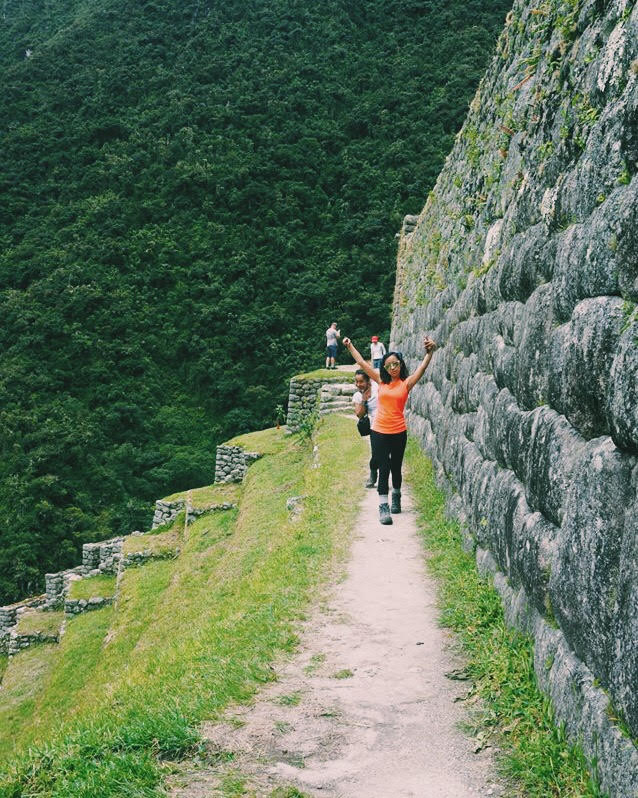
Because I’m an extremely busy student (school, Netflix, and maintaining 3 blogs that will never see the light of day), I arrived in Peru with almost 0 knowledge about the country. Obviously, I over estimated how much Spanish I knew. It was clear there would be a language barrier the moment I tried to catch my flight from Lima to Cusco, when I hesitantly answered “um…si” when asked “hablas Espanol?” But, the struggle didn’t end with just Spanish. It turns out that in more rural areas of Peru, many indigenous languages are still spoken and they have absolutely no resemblance to Spanish. Historically this makes sense, considering that the Spanish did invade and imperialize (classic Western country). So, when our tour group led us to the small town of Chinchero on the outskirts of Cusco I was completely taken aback at how even our guides had difficulty conversing with the locals. The blind leading the blind. None the less, it makes for an interesting trip and together we all embarked on this communication struggle together. One of the major indigenous languages still spoken in countries spanning near the Andes is called Quechua, so you can still find many native speakers of the languages today. Many of the locations we visited had people who could only speak Quechua, though many people intermix both Quechua and Spanish to create this fusion language. Since a majority of the education system uses Spanish, it becomes extremely difficult for native Quechua speakers to receive a higher education. Thus, it seemed like many relied on farming and agriculture to make a living. Others, more frequently, turn to tourism as a majority of the porters on the Inca Trail are all native people from Peru. As a porter, the work-load is intense (literally. carrying 50lbs up and down a mountain is insane) and the pay seems measly. However, regardless of their income they’re the epitome of humble, simple people. They don’t need anything more than a warm meal and a happy home. Theres a lesson to be learned when you’re on hour 3 of an uphill climb and a porter carrying more than twice your weight can still smile and say “buenos dias senorita”‘ as he passes you to get to his next camp. These people are the only reason why almost every Machu Picchu traveler has the opportunity to visit it and explore the Andes. [Advice] Always ensure that your porters and guides are being treated fairly and respectfully and make sure you tip well.
Finally, while this may seem a bit excessive, I can’t help but stress the importance of responsible travel. As visitors, it’s our duty to absorb their culture (the good parts) and be utterly respectful. This is why I can probably go on and on and on about any of the trips I take, because I try to take in everything around me and reflect on what it means to be a citizen of the world. So, yes there were some things that I wish I hadn’t seen in Peru, but every location has its goods and bads. Above all, the people of Peru treated me with a kindness that surpasses the hospitality I’ve felt in any other place and I am forever indebted to them for allowing me to journey around their sacred mountains.
 gogomaddie
Incredible photos and a really informative post. I’m heading to Peru in a few months so I’ll have to come back to this post closer to the time!
http://www.kinglilith.wordpress.com (I blog here about traveling through South America – you might find it interesting!)
LikeLike