I recently wrote a post about my packing list that mainly focused on what clothes to bring to Europe, but not actually how to pack it. Organizing a backpack is much harder than it looks (for me at least). I’ve tried putting all of my things in zip-lock bags and in no bags. But, recently I purchased some packing cubes by Travelon to help me sort out all of my clothes. I was a bit wary at first, because I liked that I could squeeze out all of the air from my ziplock bags, allowing me more space in my backpack to fit other things. But, I found a set of three, light-weight packing cubes for ~$15 and I couldn’t say “no” to buying them. Luckily, they seem to have really helped me organize my clothes, and they’ve forced me to pack less than initially planned.

Clothes
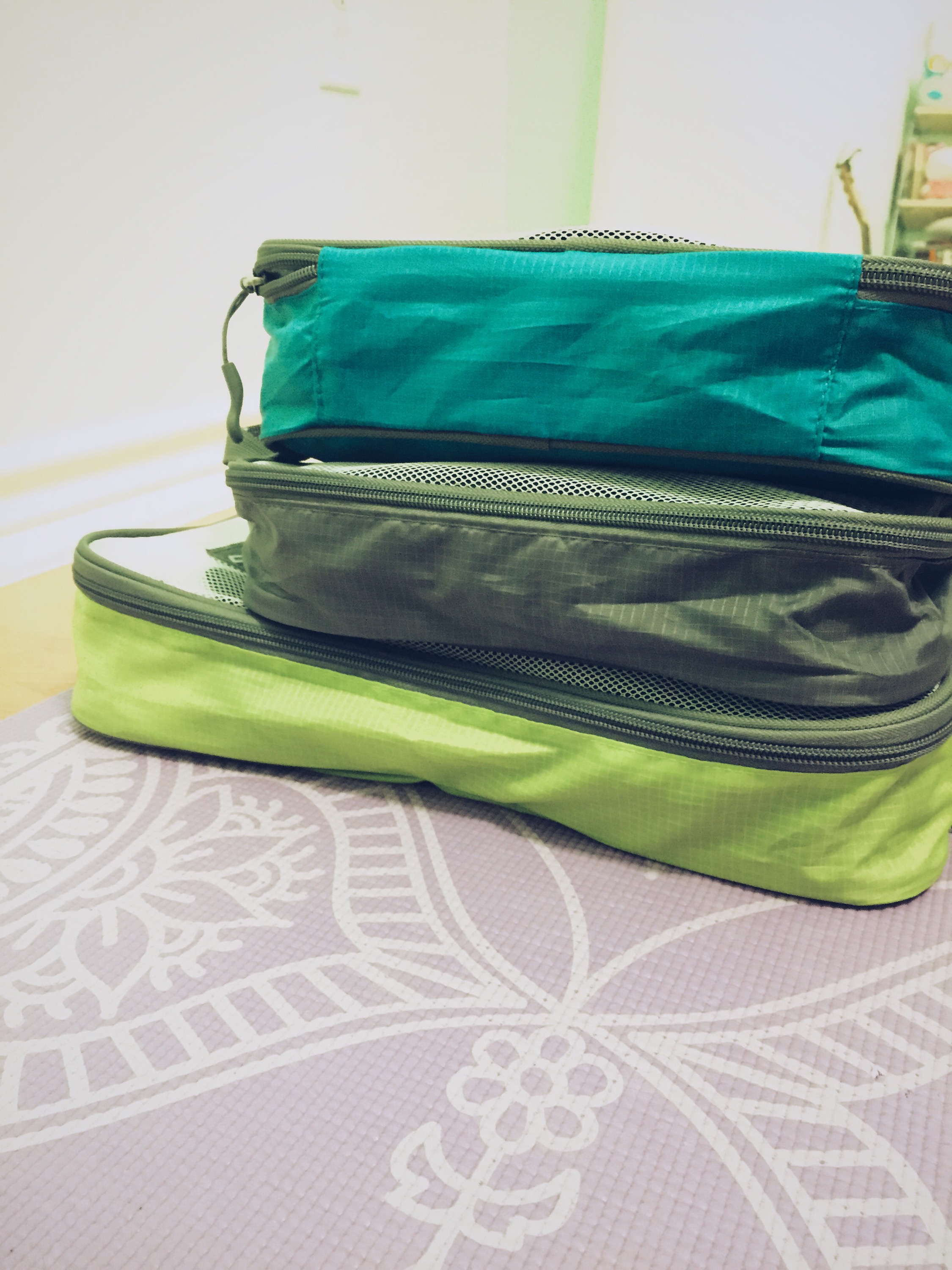
- Roll up your clothes, don’t fold them. They’ll take up less room and their wrinkles won’t be as pronounced.
- Organize your clothes by tops and bottoms rather than outfits.
- Packing cubes are great because they let you unzip the entire top part (like a lid) so that your don’t have to constantly be taking out all of your clothes in search for a specific shirt.
- Bring a plastic bag to hold any dirty clothes, wet clothes, bathing suits, and/or wet shoes.
- 10 articles of clothing and 1 dress should be enough clothes to last you a month.
- Just don’t forget to bring some laundry soap (more on that below)!
Toilettries
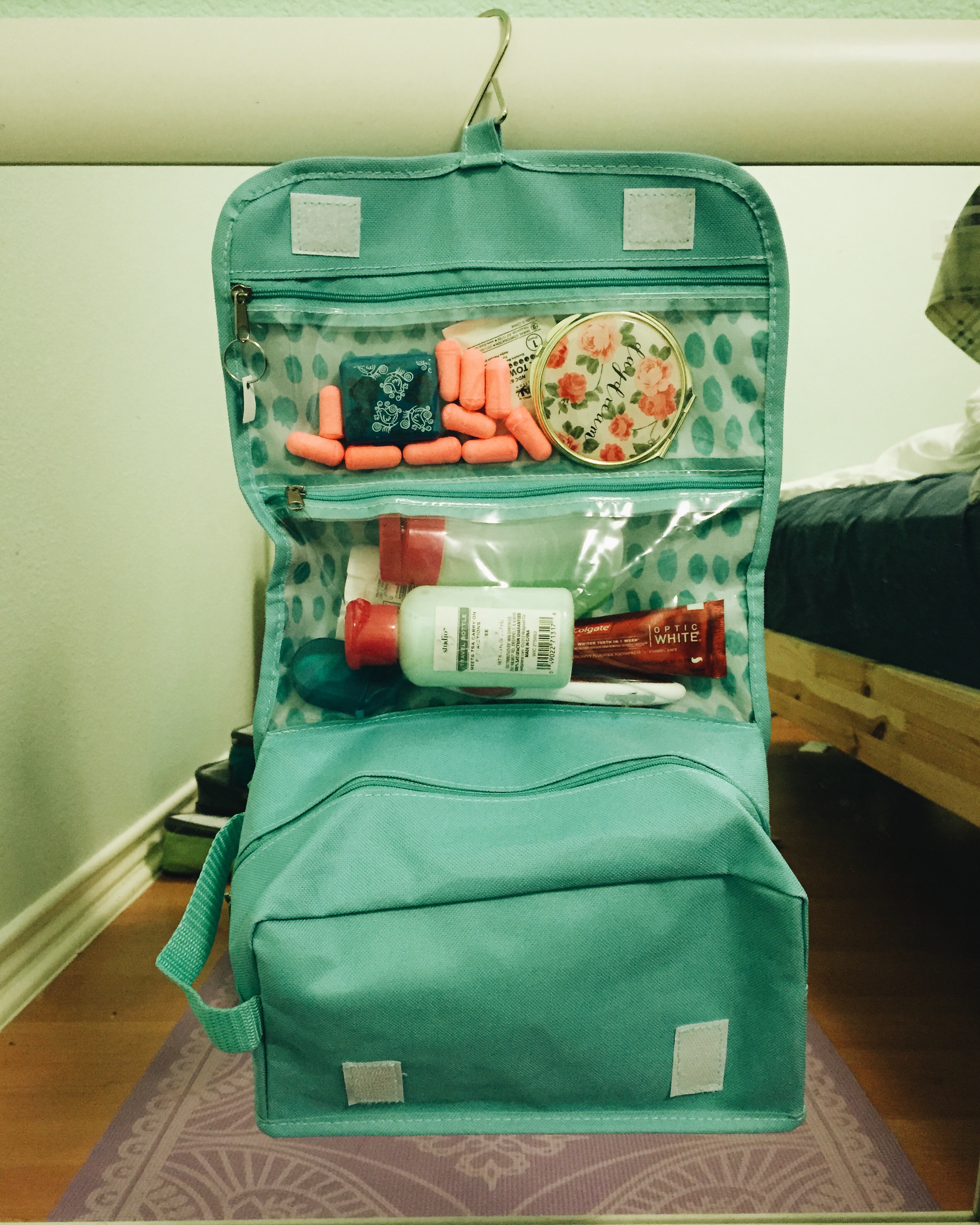
- Skimp on the conditioner and opt for a 2-in-1 instead. You can even find 3-in-1’s (conditioner, shampoo, and body soap) if you want to be extra efficient. Pack a small travel-sized one because you can also buy some locally when you’re there. Bonus points: Buy a regular size one when you’re there and share it with your travel buddies!
- Microfiber towels are seriously the way to go. They’re light-weight, super absorbent, and dry quickly. I got mine from REI and it takes up no room in my toiletry bag. These are something you absolutely want to put in money for.
- As you can see I brought 5 pairs of ear plugs. I thought I’d hate these things, but they’re actually a life saver (and definitely an ear saver). Whether you’re trying to sleep through a loud thunder storm or you’re in a hostel full of snorers, these babies will help you get through the night.
- A compact mirror is always a good thing to have on hand. You can use in on trains, planes, and busses to make sure you’re presentable before you head out into the city.
- I take baby wipes with me on any trip I go on, regardless of destination or time of travel. They’re great for long plane rides across seas, when you just need to feel a little bit refreshed. They’re great for when you have to go long periods without showering (and when you don’t know when your next shower will be). They’re just all around helpful. I don’t think there has been a single trip I’ve taken where I didn’t keep a small pack of baby wipes with me.
- A toiletry bag with a hook makes getting things out much easier. You can also hang it by the shower with you’re showering, instead of keeping it on the floor.
Medicine
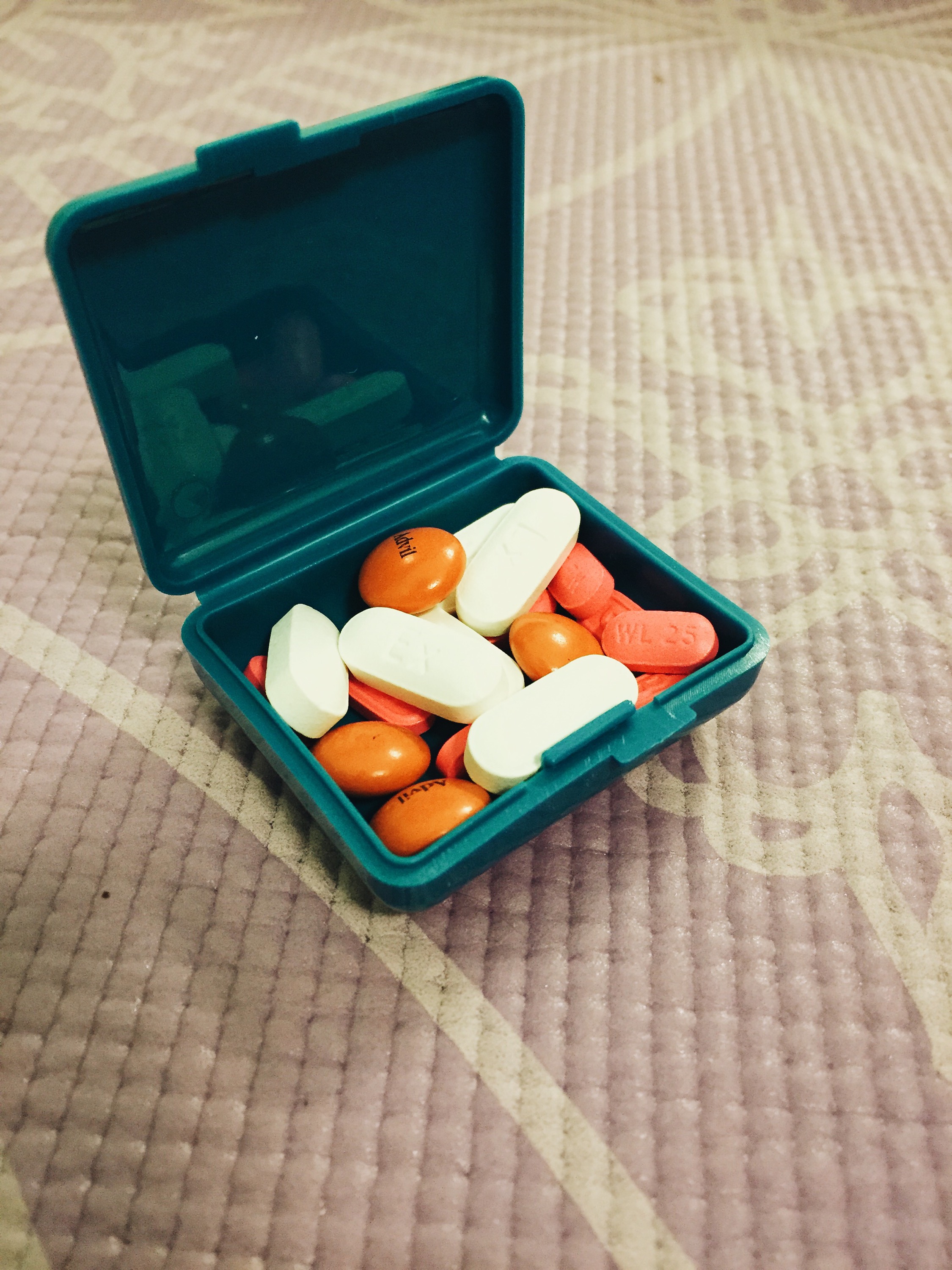
- Find a small container to hold all of your medication, so that you’re not carrying 5 different pill bottles with you.
- Make sure you know how much to take and when to take it.
- Multi-purpose medication, like a pain reliever and fever reducer, eliminate the need for multiple medications.
- You can always purchase medication when you’re abroad, but it would be safer and wiser to take medication you are familiar with.
- I always bring a small container for Dramamine on my trips to help alleviate motion sickness from planes, trains, and busses.
- Dramamine also helps me sleep during long plane rides.
Electronics
| Dual Voltage | Single Voltage |
|---|---|
| iPhone chargers | some hair dryers |
| laptops | irons |
| cameras | electric toothbrushes |
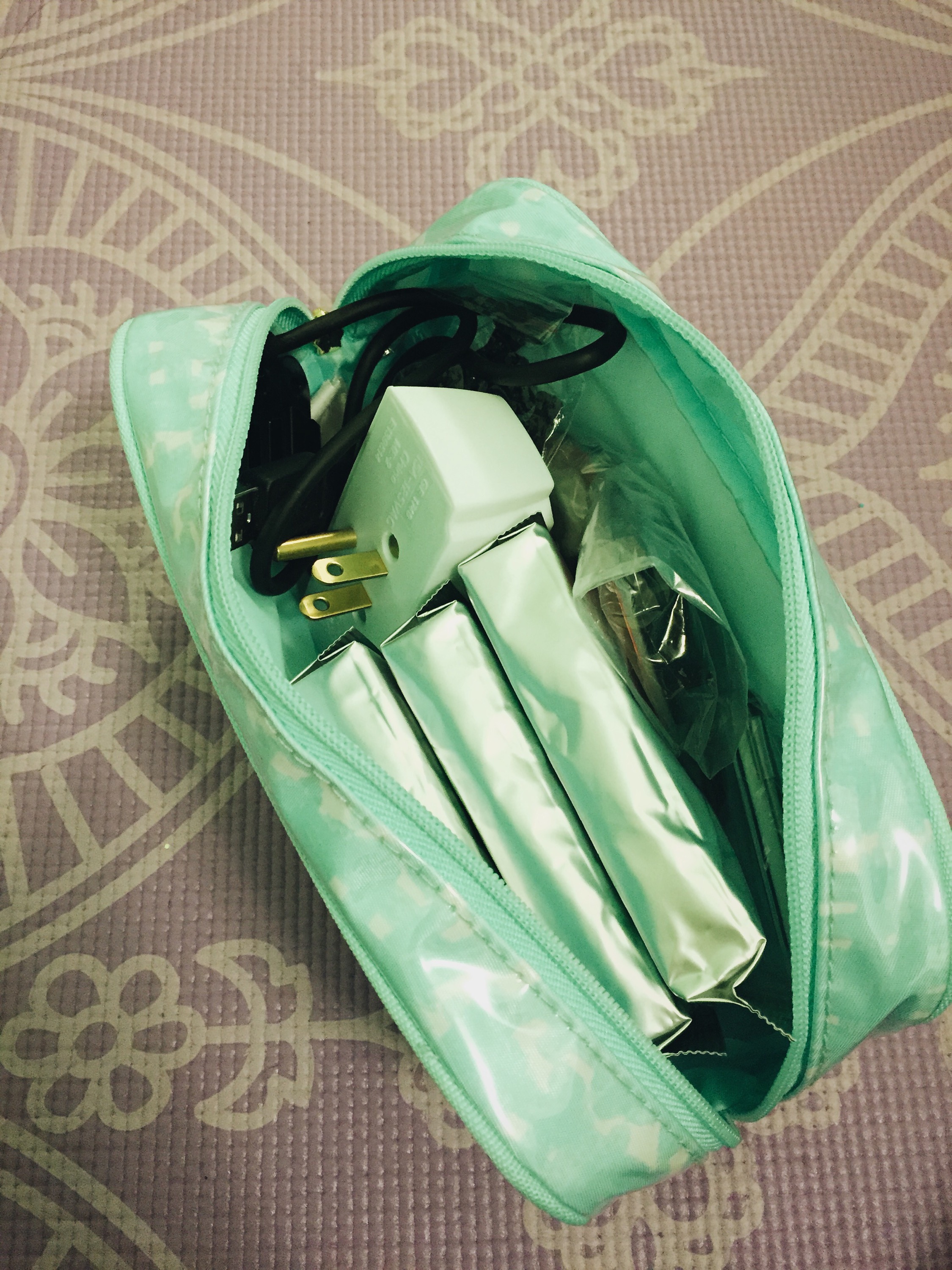
- Don’t forget to pack an adapter. In certain cases you might also need a converter. Most electronics are dual-voltages, but for your convenience heres a short list of single and dual voltage devices.
- Single voltage items have a voltage range of 100-120V, while dual voltage devices have a voltage range of 100-120V and 220-240V (commonly notated as 120V/240V).
- Obviously, double check all of your devices and your chargers to make sure you know what needs a converter and what doesn’t.
- Storing all of your chargers in one water-proof bag helps keep your electronics from becoming damaged.
- Bringing an extension cord that has multiple outlets allows you to charge many devices at one time.
- I put try to separate my device’s accessories into different bags.
- I keep my iPad in a nondescript mailing envelope, which keeps it protected from both thieves and damage.
Documents
- I’ve written a blog post about all of the important documents you should bring on your travels abroad. You can find it here.
- Have a couple of copies of you passport kept in multiple different secure locations. For example, I keep one in my purse, in my backpack, with my travel companion, and one back home.
- Have all of your documents organized in a water-proof file organizer. Mine is similar to this one at Staples.
Extra Stuff
- I have a small anti-theft Travelon purse that carries any extra stuff I might want to use in the airport, or on the go.
- Laundry stuff isn’t necessary as you can purchase some when you’re abroad, but it helps to have small packets of travel Tide packets in case you either can’t find a laundry room, are short on change, or only need to wash a few items.
- A headlight will ensure you aren’t the annoying hostel goer who turns on the lights in the middle of the night looking for the bathroom.
- If you’re couchsurfing, bring some small gifts from your hometown as a show of gratitude for letting you surf their couch.
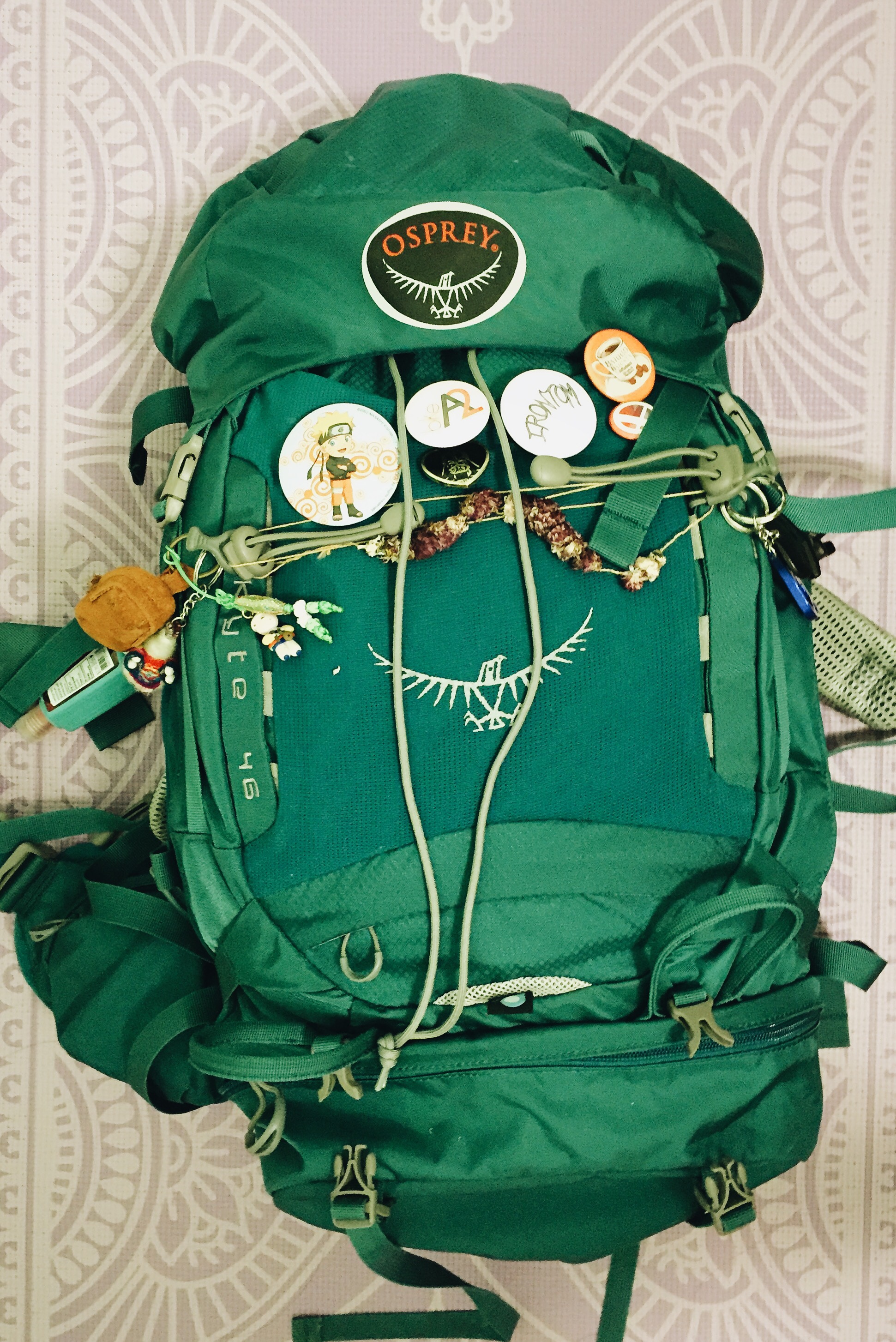
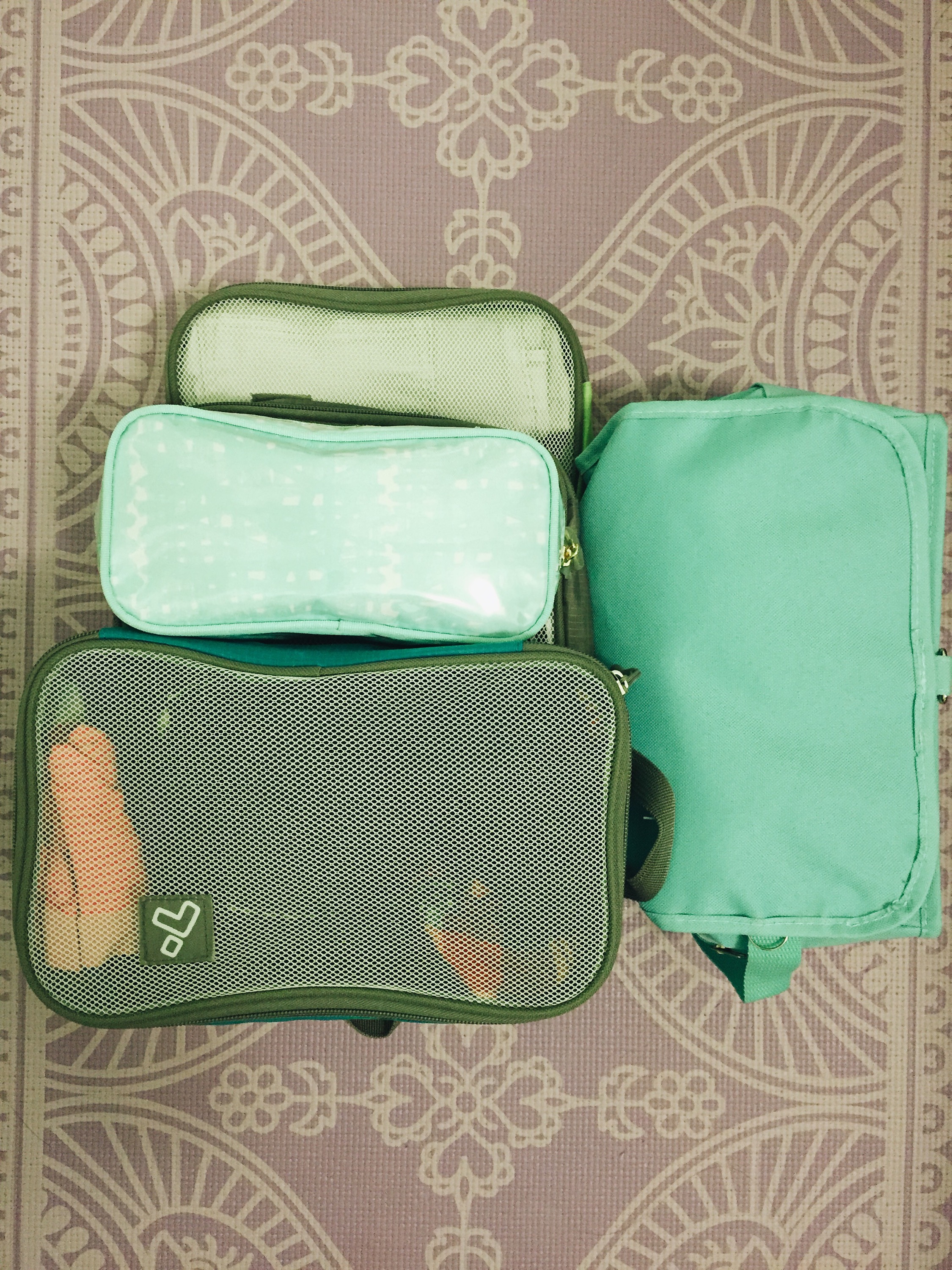 Finally, put all your containers into your backpack! I have a 46L Osprey backpack, purchased at REI and it fits all of my gear with a little extra room for small souvenirs. It’s the perfect size for backpacking trips and for weekend hikes. Since it’s a top-loading backpack, it could be difficult and tedious to pack and unpack often, but top-loading backpacks often last longer and have multiple uses. Keeping everything in it’s own little cube makes taking things out much easier. Having everything color coded also helps navigating and finding exactly what I want in my backpack, without having to empty it completely.
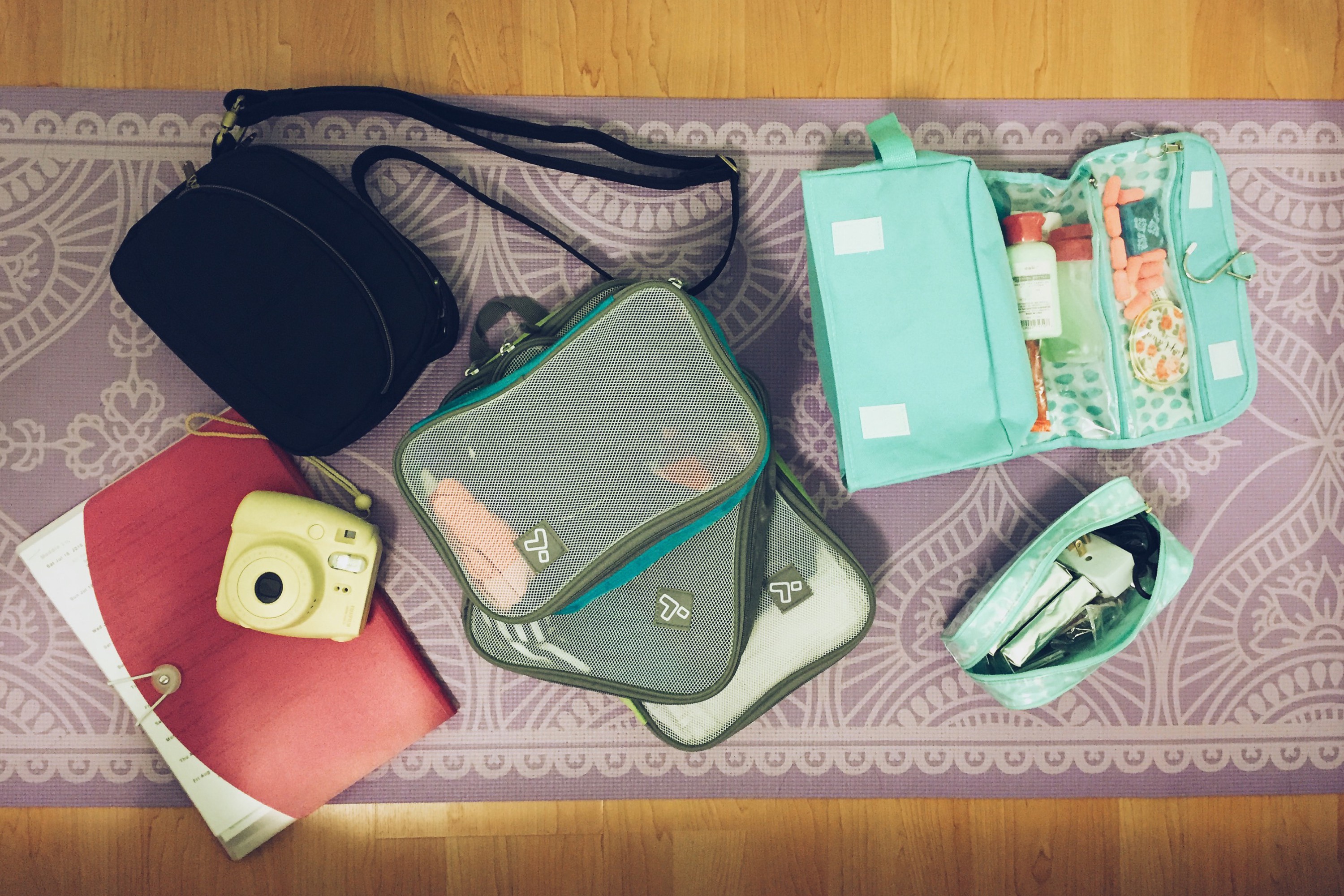
For me it’s almost impossible to keep my backpack organized throughout a trip, but having things to help compartmentalize everything helps greatly. Mid-trip, it probably won’t look nearly as neat as it did starting out, but having some semblance of order takes some of the stresses of backpacking away and keeps me from carrying a pigsty worth of stuff in my pack.
Cheers!
 gogomaddie