It’s no secret that I’m obsessed with street art. I’m so obsessed, I probably have more pictures of street art around Europe than I have of actual historical monuments. Europe just does street art differently. It’s not like the street art I’ve seen that was crudely stenciled on by some 17 year old pseudo-punk kid trying to “stick it to the man” (a.k.a. his/her suburban mom), or some gang related sign of illegible letterings sprayed onto an overpass. No, street art in Europe is a serious form of artistic expression. And yes, there still exist some form of shitty teenage graffiti and gang-related symbols, but that’s easily over-shadowed by the plethora of street art that is actually trying to convey a message, whether it be anti-capitalism, anti-consumerism, anti-big government, or anti-religion. There’s an intense sense of righteousness by the “little-guys” in Europe, and it’s hard not to be inspired. They might not have the model example of perfect citizens, but they have something I haven’t actually seen here in America, which is an active youth population that desperately want to see change in the world. And they’re using what they’ve got: a can of spray paint, to let that be known.
Maybe I’m hyping it up a bit, but you’ve got to at least believe me when I say that street art in Europe is inspiring. When you take into account the historical atmosphere that surrounded Europe for much of the 1900’s, it makes sense to be mad at the world. Maybe that’s why we, Americans, don’t have a strong sense of indignation. We’re not finding old bombs underneath our buildings. We don’t spend our childhood learning about how our grandparents had to live through communist regimes. We don’t really know war because we’ve never had to live on land where the blood of millions of men and women and children was spilled. It’s easy for us to say that we’re angry about fighting in the Middle East or slavery in the US, but the majority of us don’t actually understand. Fortunately, most of us will never have to understand with these struggles, but it means that we have to admit that we lose that perspective, which in turn makes us a bit apathetic.
But, I’ll stop there before I turn this into a full on rant about my struggle-deprived generation. Regardless of our differing upbringings, anyone can feel inspired by the street art in Europe. It’s definitely one of my favorite things to do while I’m there. All of Europe is practically a giant museum of modern art! So, today I share with you some of my favorite street art seen around Europe.
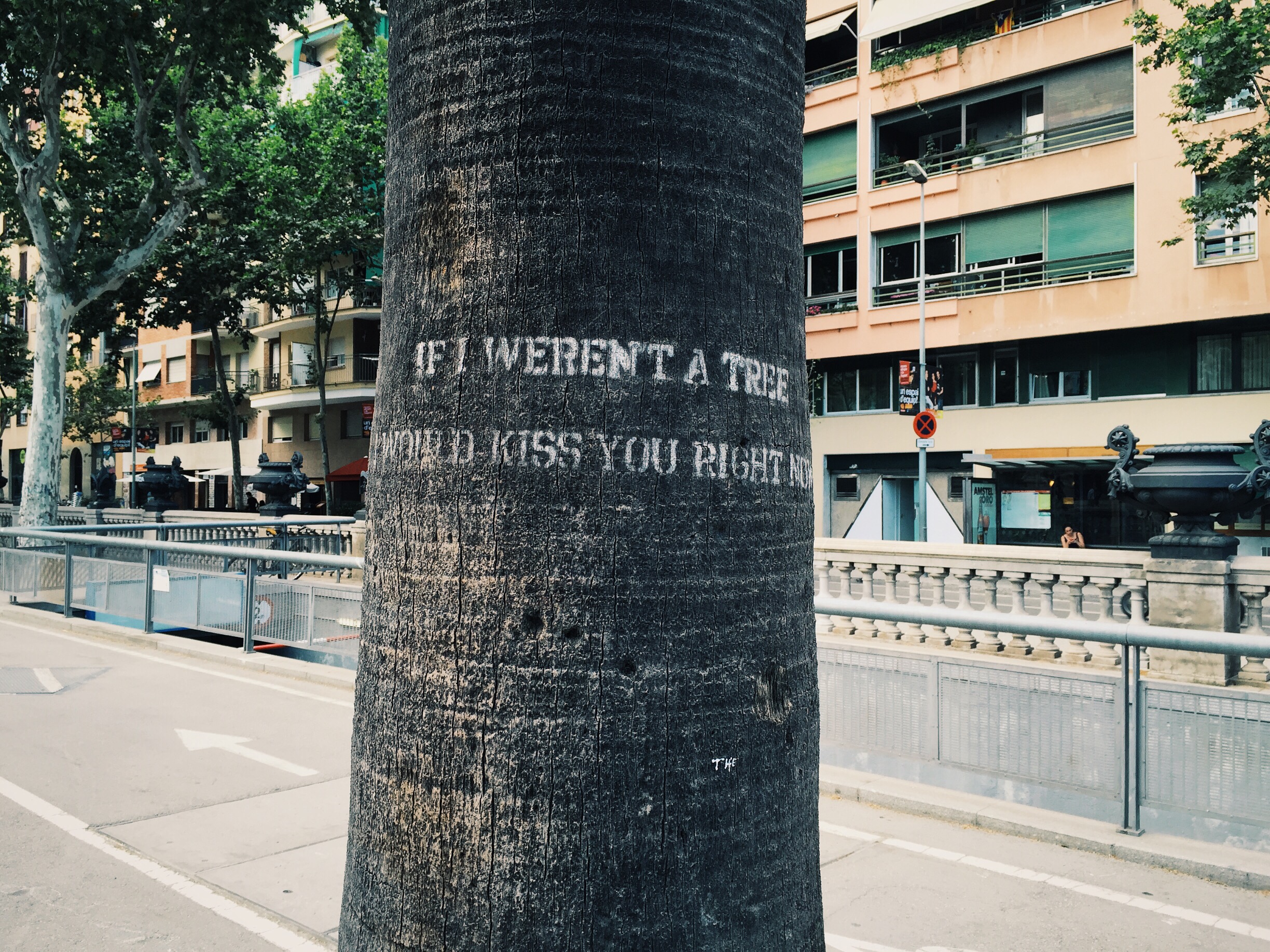
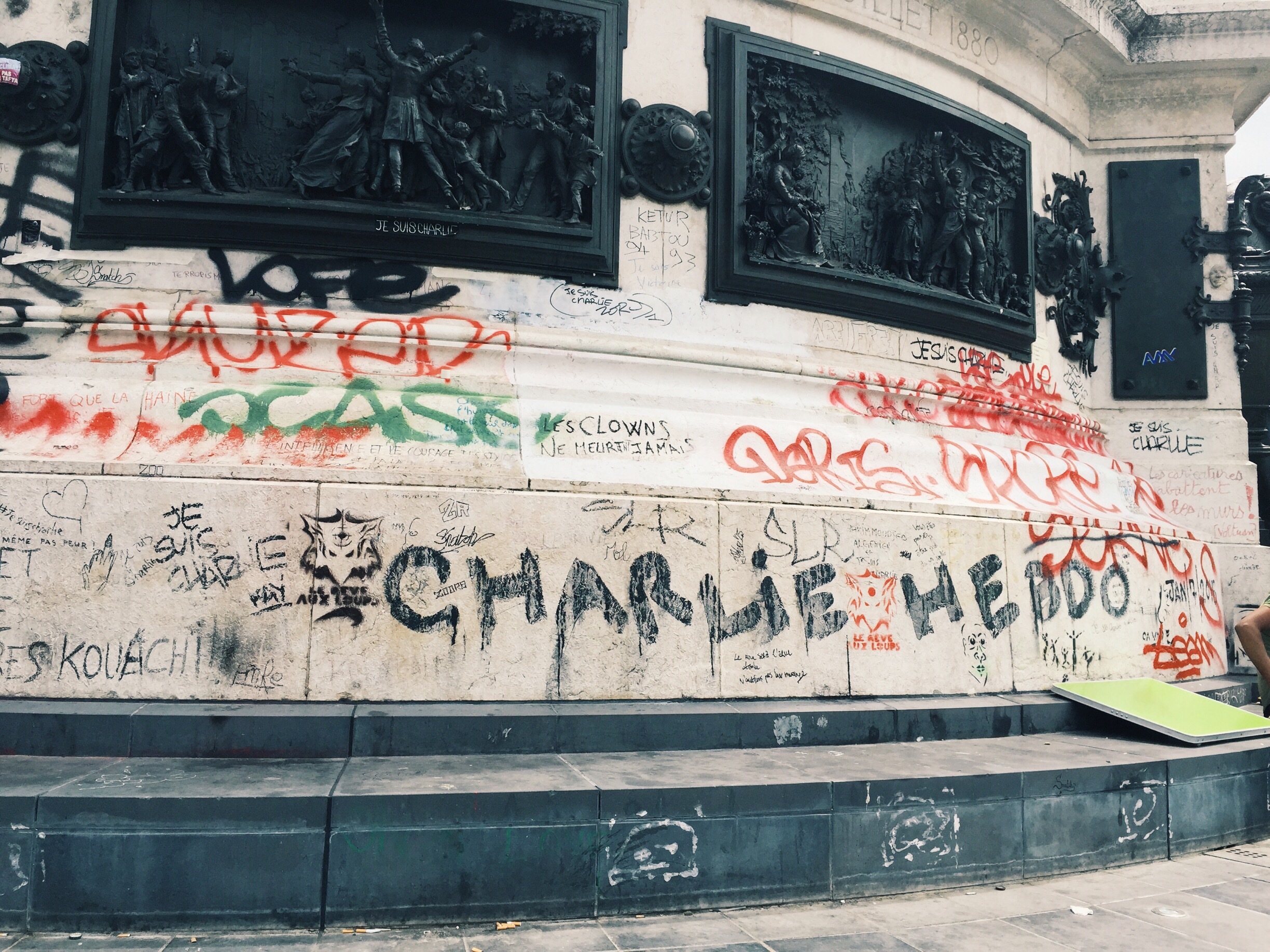

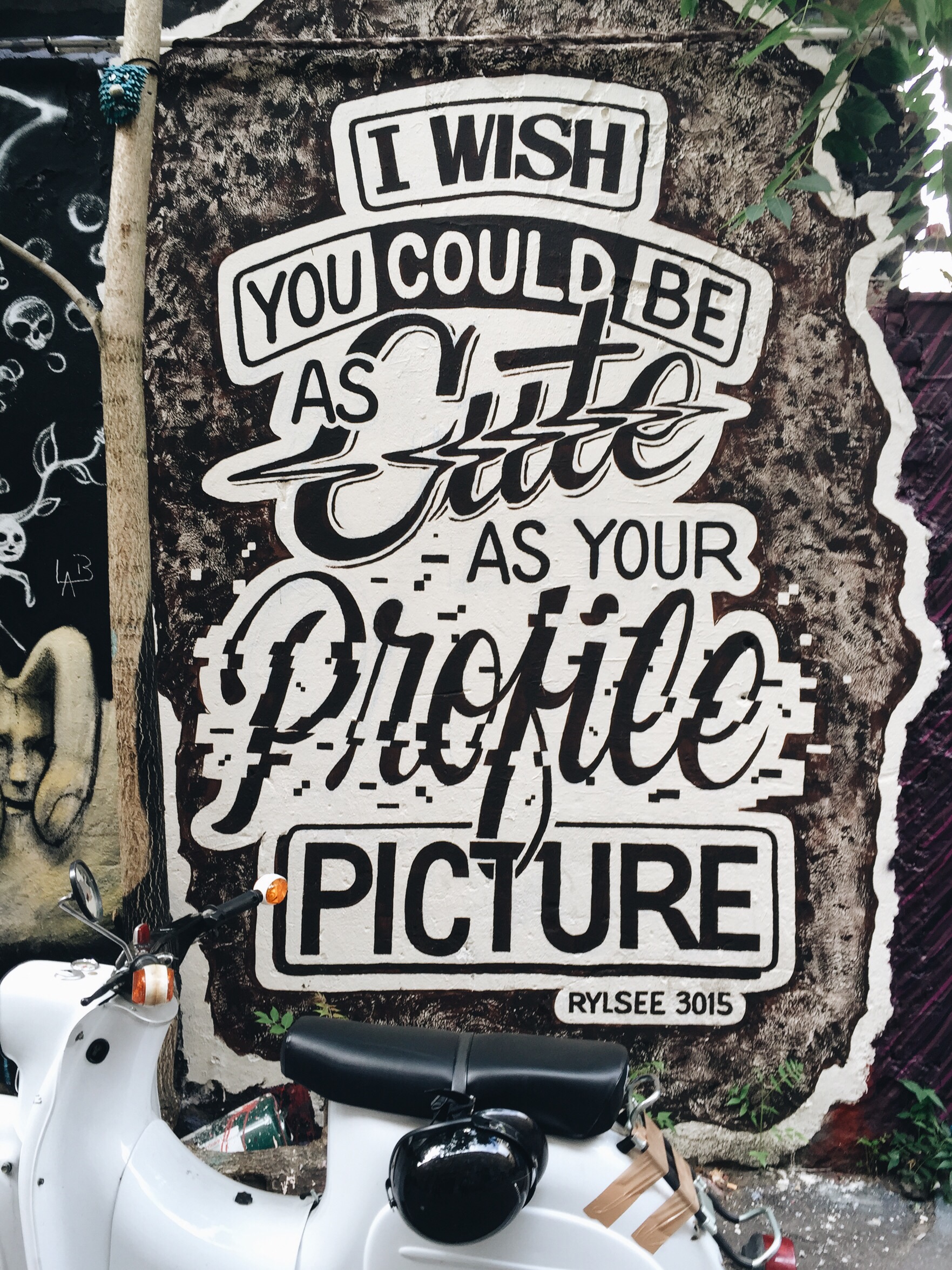

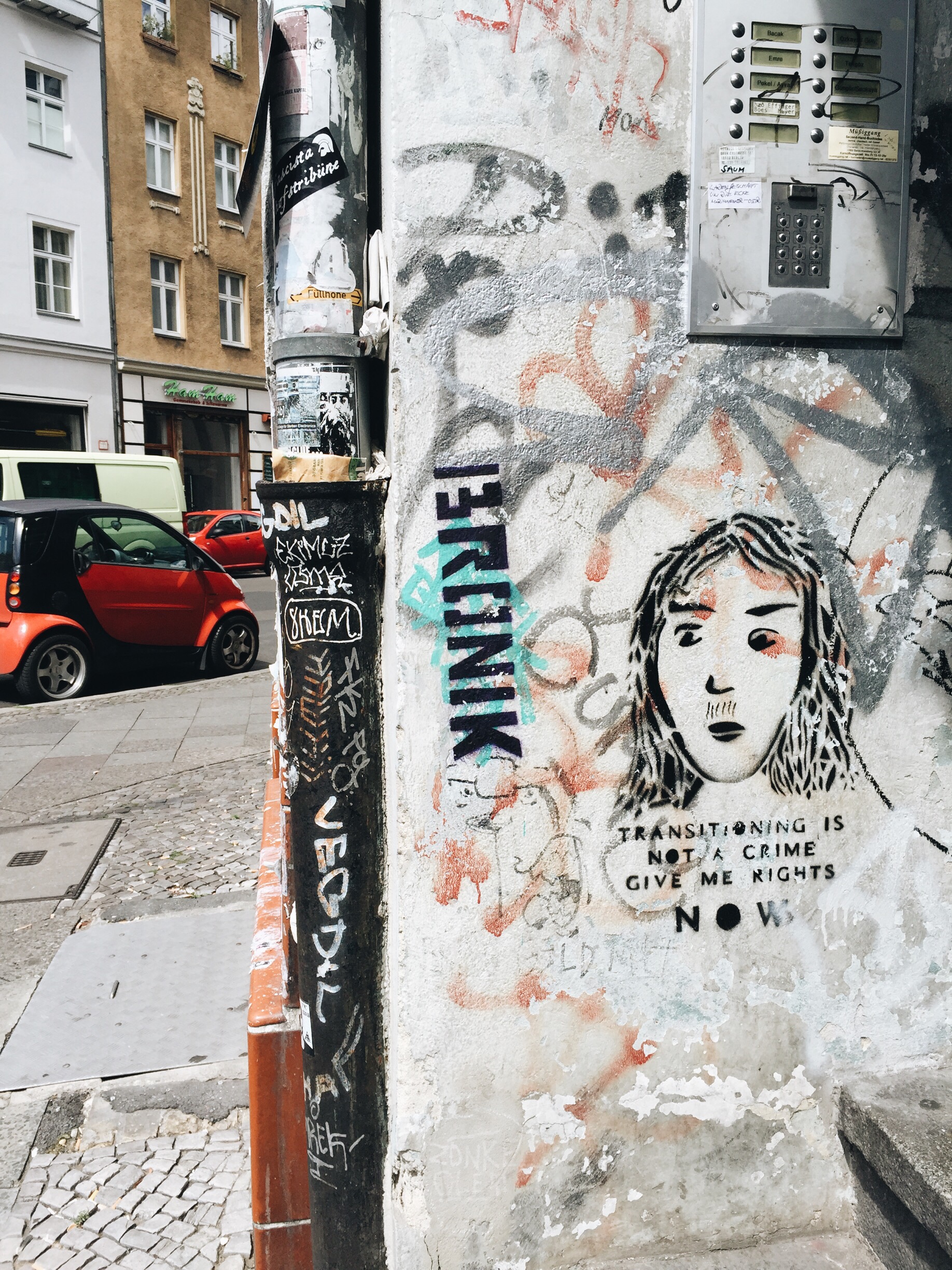


If you ever find yourself wandering around Europe, I advise you to pay more attention to whats painted on the walls than whats framed in the museums. It speaks volumes more about the current generation than you’ll ever find in any tour book or wikipedia article.
Cheers!
 gogomaddie