I’ve always found myself in awe at the footbed of a mountain. I suppose it’s because I grew up in the Gulf Coastal Plains, so I spent a majority of my life at sea level. It wasn’t until I moved to the Bay Area, California for a summer internship that I was able to really experience existing at a higher elevation. I mean, I’ve been skiing before and I’ve driven through the mountains, but that is nothing compared to actually hiking through it. After a short backpacking trip in the Ventanna Wilderness, California, I knew I was hooked. So, it only made sense to embark on a 4 day trek to Machu Picchu, Peru.
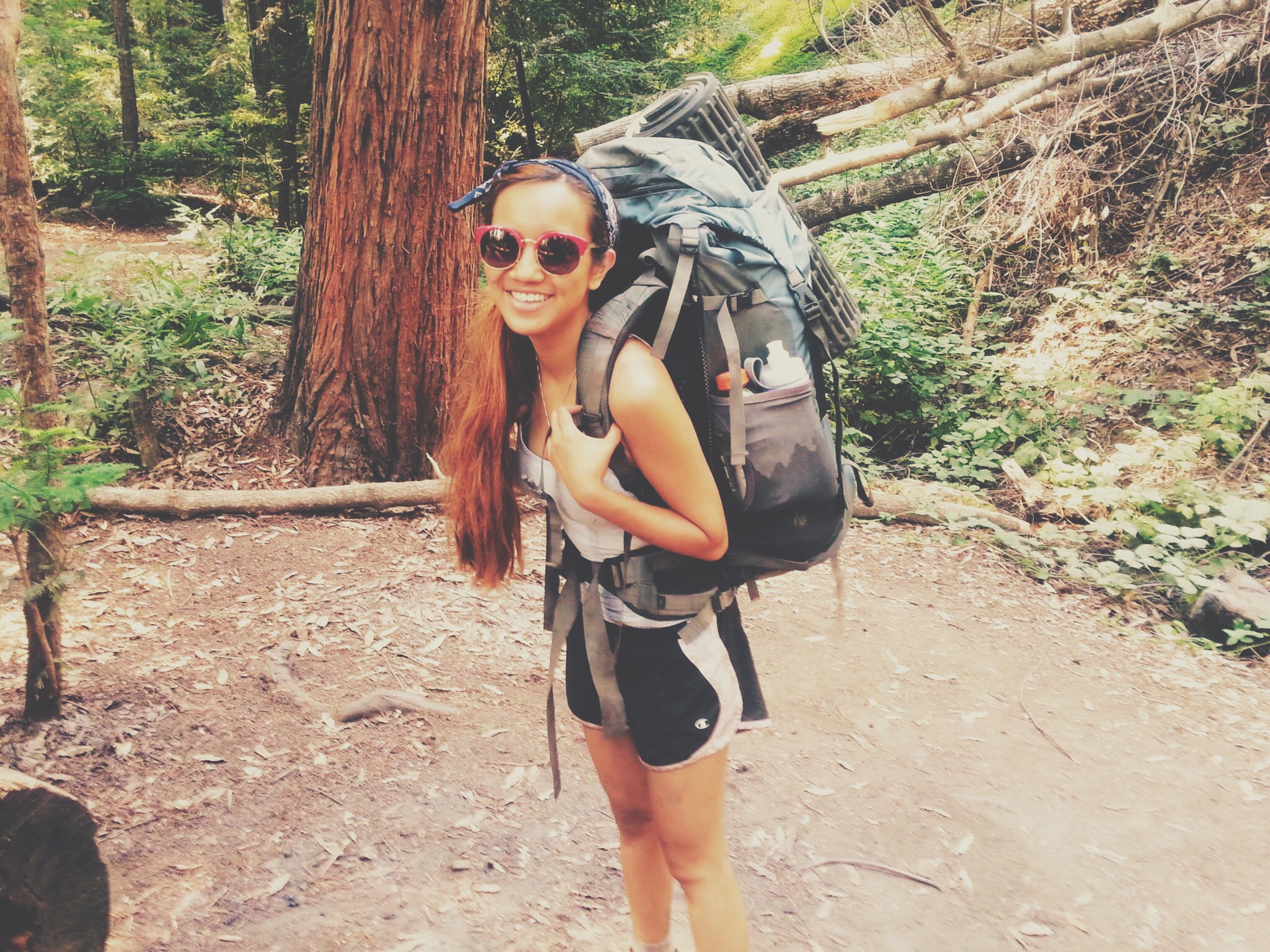
If you are a non-hiker person like me, then you’ll find this blogpost incredibly useful. If you are someone that’s used to hiking and trekking, you will probably think I’m absolutely stupid. I came; I trekked; I struggled. So, throughout it all, I’ve compiled a list of my struggles and how I alleviated them.
Struggle 1: High Altitude Sickness – Don’t for a second think that you are above high altitude sickness. I’m not really sure why I planned the trip completely ignoring all of the well-written advice to be prepared for high altitude sickness, but I did. Luckily my sister is both more intuitive and cautious than me, so she got us a prescription of Diamox, a medication commonly prescribed to be taken prophylactically for high altitude sickness (HAS). Apparently, the mildest case of HAS can occur at ~8,000 ft above sea level (ASL). Cusco, Peru (the starting point for most people attempting to make the trek to Machu Picchu) is 11,000 ft ASL. Furthermore, the highest altitude you’ll reach (Dead Woman’s Pass) is ~14,000 ft ASL. From personal experience, I can tell you that high altitude will definitely affect you, whether it be minor or major. Two people on our trek spent the first two days in Cusco throwing up. Not a good way to start a four day trek through the mountains. If you can’t get medication prescribed, it is highly recommended that you spend at least 2-3 days acclimating to the high altitude in Cusco. Another method, and one advised by the locals, is to chew/consume Coca leaves. They come in a variety of products, from candies to teas, and have been used medicinally for centuries.
Struggle 2: Packing way too much junk and not enough water – I seem to always forget just how heavy water weighs (and how much you really need to be drinking daily). One liter of water weighs ~2.2 lbs. Factoring in the fact that I’m in a high altitude, I’m constantly being active (my heart rate is constantly close to max), and it gets blistering hot during the daytime, I should’ve probably been drinking more than three liters a day. That’s already 6.6-7 lbs extra, on top of my clothes, extra shoes, camera, and snacks. So, I spent a majority of Day 1 knowing that the worst was still yet to come and wondering how I was going to make it to Day 4. With that said, I probably did not handle the situation well by eating all of my snacks Night 1, so that my pack would be lighter by Day 2, but it is what it is. My advice would be to definitely bring a little “pick-me-up” snack and to bring less clothes next time around. Water is probably the most important thing I could be carrying up, and to have to choose between water, clothes, and food mid-hike was definitely a struggle (albeit a dumb one).
Struggle 3: Going without trekking poles – I didn’t really see the need for trekking poles, considering I’ve never needed to use them on any other hike before. In fact, the times I’ve had the opportunity to, I felt that they were more burdensome than helpful. This could totally be a personal preference, but the overall consensus was: trekking poles = very useful. If you’ve already finalized you’re plan on taking on the Inca Trail, you should know that there are a lot of stairs. I knew that coming in and naively believed I could adequately prepare my body by using the Stairmaster at my gym. I was wrong. The Inca Trail doesn’t contain stairs. The Inca Trail is stairs. Beautiful stairs, tall stairs, narrow stairs, rocky stairs, slippery stairs, and even stairs that look like an uneven and angled wall. The Inca Trail has completely changed my definition of what a stair is. So, basically imagine going up and down stairs 6 hours a day for 4 days. You’re going to want trekking poles. Not only will they absolutely save your knees (which btw will be destroyed by the end of your trek even with the poles), but they’re also great to rest on when you need to take a break. You can rent some locally for ~$15 (maybe even less), and you can thank me later.
Other common struggles seen on the trail – While I did not experience these struggles myself, I have on previous trails and I saw many other inexperienced trekkers suffer through them.
- Wearing improperly sized boots: Try them on before hand and ask an employee how they should fit. Also remember to buy the right kind of socks and to try on your boots with your hiking socks to avoid losing a toenail or getting black-toe
- Not putting on sunscreen even when its cloudy: Always wear sunscreen. Always.
- Eating too much food before a trek: You don’t want to be completely stuffed during your trek, especially if it is so much you end up vomiting everything later.
- Not pacing yourself: It is a very long trek. In the end, everyone reaches the same point. You need to pace yourself so that you’re heart rate isn’t peaking every 15 minutes.
- Not packing rain gear: This includes something to cover your backpack, rain pants, a rain jacket, and water proof hiking boots. The weather is often quite fickle in the mountains and even a quick 5 minute shower can ruin all of your gear.
- Not having your backpack fit properly: Trust me when I say that backpack fit is crucial to a positive backpacking experience. Six months without feeling on my right hip and I’ve learned my lesson. I suggest taking your backpack to your local REI or outdoor store to have them fit it for you.
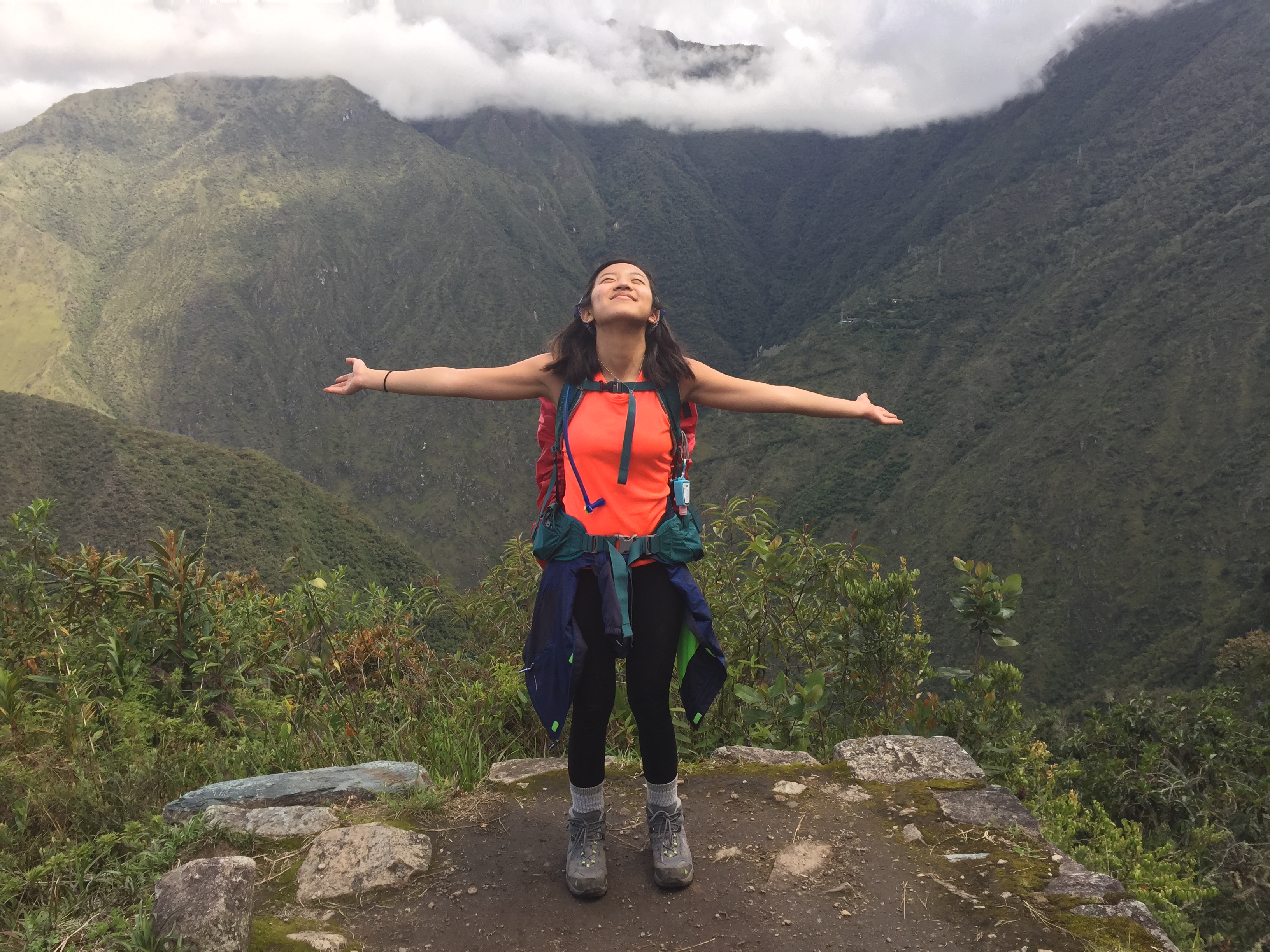
Bottom line, always expect the worst to happen so that you can be glad if it doesn’t. But regardless of the conditions of your hike, whether you struggle or not, a positive outlook to any situation will be your best bet for getting you through the trek. I am a tiny girl that is used to being at or below sea level. My weekly work out routine is yoga and pilates 3 times a week. I came; I trekked; I struggled, but I had a great time doing it.
 gogomaddie
I have always wanted to do the Inca Trail!
One day I will!
LikeLiked by 1 person
Its definitely worth it!
LikeLiked by 1 person